Source ASTM DIN Road Marking Retroreflectometer for Safety
Find and compare 30 ASTM DIN road marking retroreflectometer models from verified suppliers. Evaluate key specifications such as measurement ranges, battery life, and compliance standards to select the right device for traffic safety inspections; compare the available evidence and request quotations based on your requirements.
Key considerations
Products List


Comprehensive Sourcing Guide
ASTM DIN Road Marking Retroreflectometer Sourcing Guide
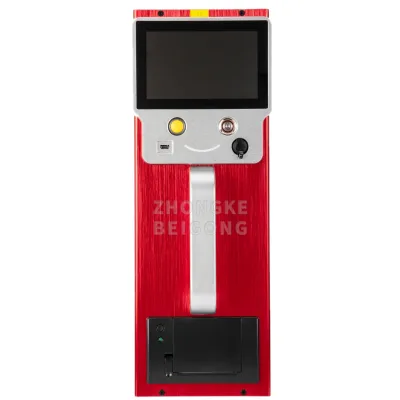
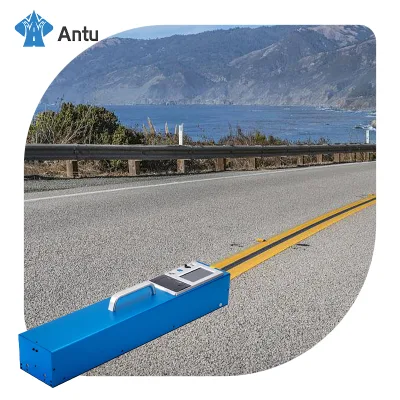
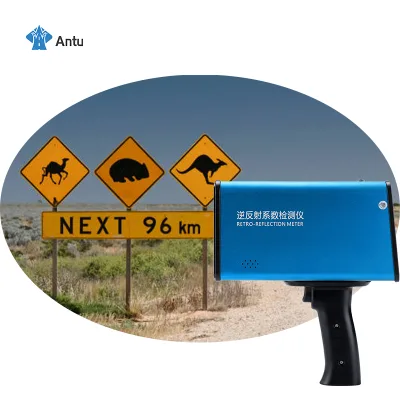
Procuring an ASTM DIN road marking retroreflectometer requires distinguishing between devices designed for specific road marking lines and those intended for vertical traffic signs. The market offers instruments with varying measurement ranges, such as those capable of measuring RL values from 0 to 4000, which are critical for high-visibility pavement applications. Buyers must verify that the selected unit aligns with the specific geometry of the road infrastructure being tested, as some models focus on diffuse illumination for general surfaces while others utilize precise angles for sign evaluation.
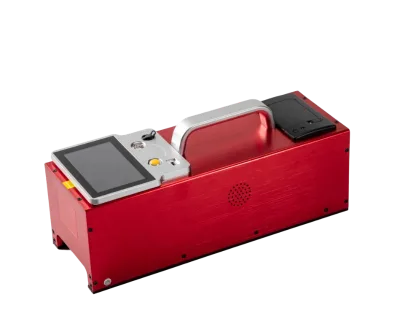
Selection also hinges on the operational environment where the device will be deployed. Units designed for field use often feature robust battery systems with continuous working times exceeding 30 hours, ensuring that long-distance surveys can be completed without interruption. Additionally, the physical dimensions and weight of the instrument, typically ranging around 4.4kg to 5kg, influence portability and ease of handling during extensive site inspections.
Product Scope and Observed Listing Signals
The observed product listings reveal a wide price spectrum, ranging from approximately $0.55 to $11,500, which reflects significant differences in sensor technology, data processing capabilities, and build quality. This variance suggests that lower-cost entries may be basic accessories or simplified testers, whereas higher-priced units likely include advanced features like color touch LCD displays and extensive data storage capacities exceeding 100,000 data points. Buyers should scrutinize the specific model numbers, such as TBTRMR-1C or STT301, to understand the exact capabilities included in the quoted price.
Minimum Order Quantities (MOQ) in the market typically range from 1 to 100 units, indicating flexibility for single-unit procurement as well as bulk purchasing for fleet deployment. When evaluating listings, it is essential to confirm whether the quoted price includes necessary accessories like the DC 15V charger and standard export packing. The presence of specific keywords like "Roadpavement Line Reflection Coefficient" or "Traffic Vertical Sign Reflective" helps identify whether the device is optimized for horizontal or vertical surface testing, a critical distinction for accurate procurement.
Technical Specifications to Verify
Buyers must rigorously verify the illumination and observation angles, as these parameters directly determine the accuracy of the retroreflection coefficient readings. Trusted standards such as ASTM E1710 and EN 1436 define specific angular requirements, with observed listings showing illumination angles around 88.76° and observation angles near 1.05° for certain models. Ensuring the device matches these geometric constraints is vital for generating data that is comparable to regulatory benchmarks and industry expectations.
The light source characteristics and environmental tolerance are equally critical for reliable field performance. Instruments should utilize a CIE A light source with a color temperature of 2856±50K to simulate standard illumination conditions accurately. Furthermore, the device must operate reliably within ambient temperatures ranging from -15℃ to +60℃ and humidity levels below 98% without frost. Verifying these environmental limits ensures the equipment will function correctly in diverse climates without requiring excessive maintenance or calibration adjustments.
Compliance and Safety Documentation
Documentation regarding compliance with international standards is a primary requirement for any procurement of road testing equipment. Listings often reference standards such as ASTM, DIN, and ISO, but buyers must request explicit certification documents to confirm that the specific unit has been tested against these protocols. The presence of an ISO certification is a strong indicator of a manufacturer's commitment to quality management systems, which often correlates with the reliability of the measurement data produced by the device.
Safety and operational documentation should also include clear instructions for battery handling and electrical safety, particularly given the use of built-in 12V batteries with capacities around 5.2Ah. Buyers should ensure that the supplier provides a user manual detailing the safe operation of the DC 15V charger and the proper storage of the device to prevent damage to the internal electronics. Proper documentation also covers the data saving capacity, which can vary from 10,000 to over 100,000 test information records, ensuring that data integrity is maintained throughout the testing process.
Cost Drivers and Commercial Terms
The final cost of a retroreflectometer is heavily influenced by the complexity of its optical system and the durability of its housing. Models with larger measurement areas, such as 200x95mm, or those offering multi-angle capabilities often command higher prices due to the precision engineering required. Additionally, the inclusion of advanced features like color touch LCDs and extensive internal memory contributes to the overall cost, making it essential to balance budget constraints with the specific technical needs of the project.
Commercial terms regarding packaging and origin also play a significant role in the total landed cost. Products originating from regions like Nanjing or Zhejiang in China may have different shipping profiles compared to other global sources, affecting lead times and freight expenses. Buyers should clarify whether the standard export packing or specialized plywood packaging is included in the quote, as this impacts the protection of the device during transit and the potential for damage-related claims.
Supplier Qualification and Quality Control
Evaluating supplier qualification involves verifying the manufacturer's location and their track record in producing optical testing instruments. Many suppliers are based in China, with specific origins noted in product listings, but buyers should confirm the factory's ability to maintain consistent quality control across production batches. A supplier with a history of producing devices that meet ASTM and DIN standards is more likely to deliver instruments with the required precision and repeatability.
Quality control processes should be transparent, with suppliers willing to provide evidence of their manufacturing standards and testing procedures. Buyers should inquire about the error rates of repeatable measurements, which should ideally be within 2% to ensure high data reliability. Establishing a clear communication channel with the supplier allows for the verification of product attributes, such as the specific model number and working principles, ensuring that the delivered equipment matches the procurement specifications exactly.
Long-Term Procurement Checks
Long-term procurement success depends on the availability of spare parts and the durability of the device's components over time. Buyers should assess the expected lifespan of the battery and the light source, as these are consumable elements that will eventually require replacement. Ensuring that the supplier offers a reliable supply chain for these components prevents operational downtime and extends the useful life of the retroreflectometer in the field.
Calibration and maintenance protocols are also critical for maintaining the accuracy of the device over its operational life. Buyers should verify that the supplier provides guidance on periodic calibration to maintain compliance with ASTM and DIN standards, as drift in measurement accuracy can occur with regular use. Establishing a long-term relationship with a qualified supplier ensures access to technical support and updates, which are essential for keeping the procurement investment viable and effective for years to come.
FAQs
What standards does the TBTRMR-1C retroreflectometer meet?
The TBTRMR-1C model complies with ASTM standards for road marking line retroreflection testing. It features specific illumination and observation angles defined by ASTM E1710 and EN 1436. This ensures accurate measurement of road marking line reflection coefficients for quality control and compliance verification in highway maintenance projects.
How long can the device operate on a single charge?
The device offers continuous working time of more than 30 hours on a single charge. It is equipped with a built-in 12V / 5.2Ah battery and a DC 15V charger. This extended battery life supports full-day field operations without interruption, making it suitable for extensive road inspection tasks.
Can the instrument store large amounts of test data?
Yes, the instrument provides substantial data storage space exceeding 100,000 data points. Some models offer 4.9GB of capacity, while others store up to 10,000 test information records. This allows users to archive extensive measurement histories locally without needing immediate external data transfer or cloud connectivity for basic operations.
What is the measurement range for retroreflection values?
The measurement range for longitudinal retroreflection (RL) is 0 to 4000 mcd/lx/m2. For diffuse retroreflection (Qd), the range is 0 to 400. These ranges cover typical road marking and sign reflectivity levels, ensuring accurate readings for various traffic safety products under standard observation and incidence angles.
Which models are available for road sign testing?
Available models include the TBTRMR-1C, TBTRMR-1JS, STT301, and SR-006. The SR-006 is specifically noted as a multi-angle retroreflective coefficient tester. These devices support ISO certification and are designed for testing traffic vertical signs and road pavement lines, catering to diverse inspection requirements in the transportation sector.
What are the physical dimensions and weight of the unit?
Dimensions vary by model, with sizes around 500x135x158mm or 700x140x140mm. Weights range from approximately 4.4kg to 5kg. The portable design facilitates easy transport to job sites. Standard export packing or plywood packages ensure safe delivery, while the compact form factor allows for efficient handling during field measurements.